In brief

Decide whether the identifier belongs to the individual consumable, its container or a reusable holder. Confirm installation against the intended machine or job, preserve removal and partial-return history, and close the previous contents association before a holder is reused.

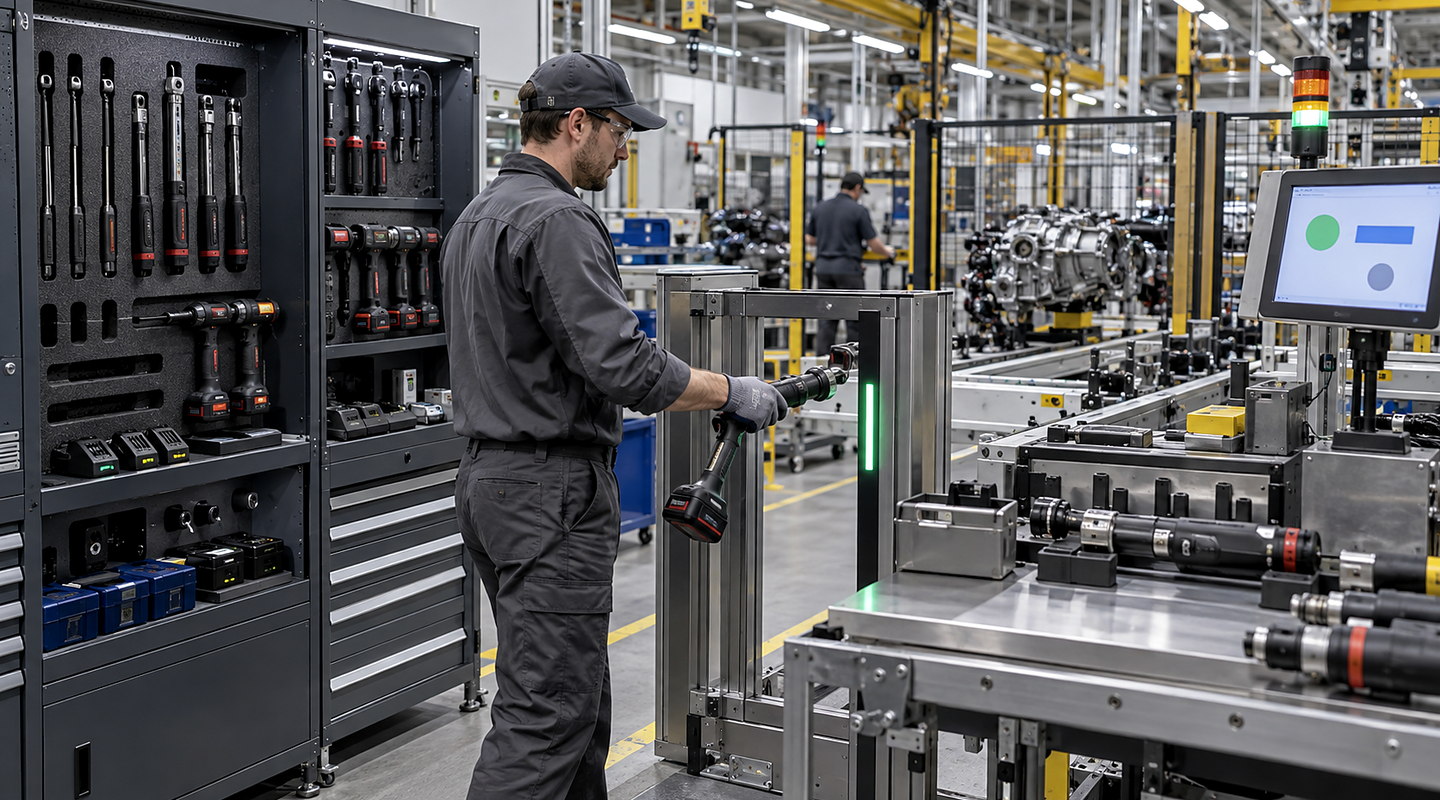
Bring real installed, spare and removed examples for the application brief. Trial the intended association in the actual equipment; detecting a tag is not the same as confirming the right consumable is in use.

On the production floor

Plan for the conditions your team handles every day — RFID Consumable Tracking

Plan RFID consumable tracking around your identifiers, substrates, production events, system interfaces, exceptions and verification records. Discuss a practical data-flow approach with Oxford Traceability. For production identification using RFID consumable identity and usage records, the deciding details include identifier and data rules for RFID consumable identity & usage records, production speed and read-point conditions and verification, retention and reconciliation evidence.

Discuss your application
Your application

Details worth resolving early for production identification using RFID consumable identity and usage records

Question 1

Identifier and Data Rules for RFID Consumable Identity & Usage Records

State whether the RFID identifier belongs to the consumable, container or reusable holder. If the holder is reused, define the event that closes the old contents association and starts the new one.

Question 2

Substrate, Label or Tag Behaviour

Supply representative new, used and partly used examples with actual tag mounting and surrounding materials. Include ordinary orientation, handling and any relevant cleaning or contamination.

Question 3

Production Speed and Read-Point Conditions

Trial the installed item with spare and recently removed tagged items nearby. Record which observation should confirm the intended machine association, and how unwanted or missed reads are handled.

Question 4

Line, Business-System and Network Interfaces

List the machine, job and stock records used to confirm installation and removal. State which source owns the current association and how a disagreement is shown to the operator.

Question 5

Exception, Rework and Duplicate Handling

Include unreadable/replacement identifiers, early removal, refitting and movement between machines. Preserve the consumable history and prevent a reused holder from inheriting the wrong contents record.

Question 6

Verification, Retention and Reconciliation Evidence

Run a known installation/use/removal sequence. Reconcile the observed identity and machine association separately from the measured or declared usage and remaining balance.

Your operating cycle

Plan for more than automatic running

Include replenishment, normal production, planned change, short stops, fault recovery, cleaning and maintenance for production identification using RFID consumable identity and usage records. A fast automatic step can still leave your team with a slow or awkward overall process.

Prove the result

Test production identification using RFID consumable identity and usage records against real identifiers, interfaces and exception scenarios

Normal production

Run the agreed product or part mix for production identification using RFID consumable identity and usage records at your intended operating pattern.

Difficult conditions

Include credible extremes for identifier and data rules for RFID consumable identity & usage records and substrate, label or tag behaviour.

Fault and recovery

Show how the proposed solution detects a problem affecting production identification using RFID consumable identity and usage records, responds safely, informs your team and restarts under control.

Important limits

Be clear about what the trial has shown

Compare with Data Integration and Exception Handling for RFID Consumable Identity and Usage Records if that operating pattern is closer to your application.